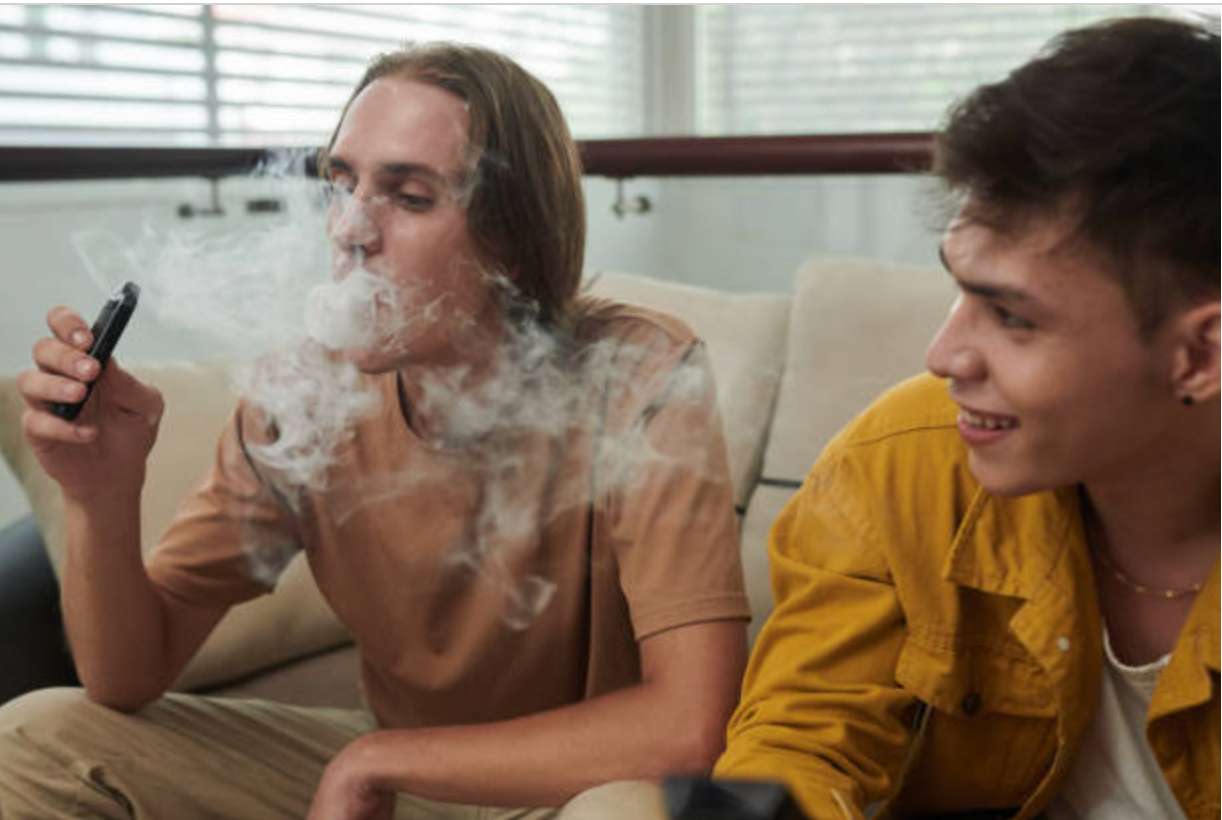
NEW YORK — In a groundbreaking study that has left the scientific community both stunned and mildly nauseated, researchers announced Tuesday that urine from intoxicated teenagers contains a naturally occurring molecule capable of extending human lifespan by as much as 25%.
The molecule, named Youthanol, was discovered during a study of adolescent metabolism and alcohol tolerance. According to researchers, the team had expected to find little more than elevated sugar levels, dehydration, and “the chemical signature of poor decisions.”
Instead, they found what may be the most powerful anti-aging compound ever identified.
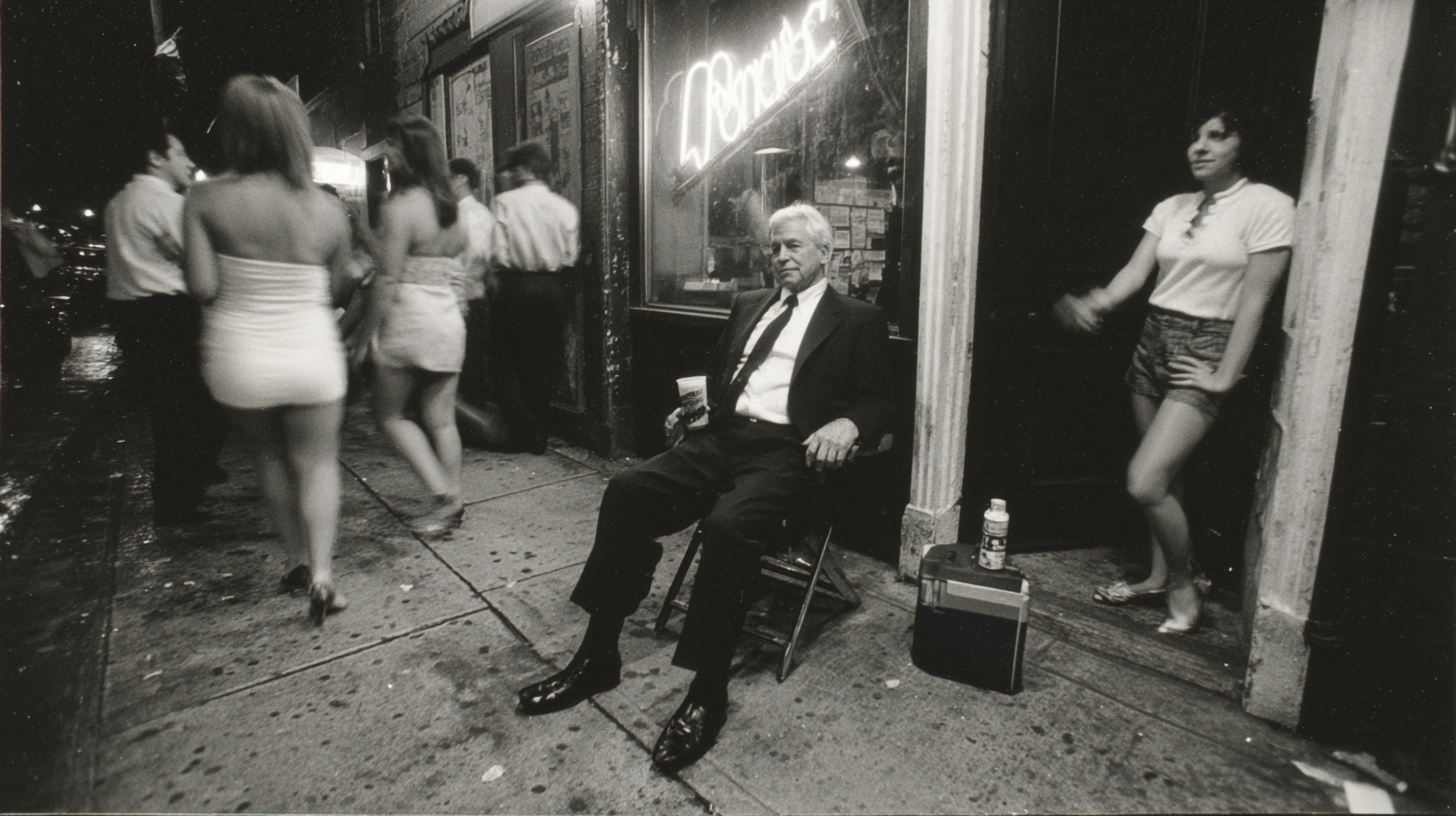
Within hours of the study’s release, older adults were reportedly seen gathering outside bars, concerts, and house parties carrying thermoses, specimen cups, and small collapsible stools. Witnesses described the scenes as “deeply upsetting” and “surprisingly orderly.”
“It’s not ideal,” said 81-year-old longevity enthusiast Martin Kessler, waiting outside a Bushwick nightclub with what appeared to be a stainless steel travel mug. “But neither is death.”
Public health officials urged Americans not to consume unregulated street samples, especially those marketed as “Last Call Extract,” “party-grade fluid,” “Back Alley Batch” or “Afterparty Gold.” Authorities warned that counterfeit products were already flooding the market, alongside a growing number of boutique clinics promising access to “premium donor batches” for wealthy clients unwilling to age with dignity.
Experts said the discovery raises troubling questions about how much human dignity a billionaire is willing to surrender in exchange for 18 more months.
The findings have already triggered intense interest among hedge fund managers, venture capitalists, and tech founders who had previously invested in cryogenic freezing, plasma transfusions, and experimental organ replacement. Several startups reportedly pivoted within hours, with one Miami-based longevity firm announcing a new subscription tier offering clients “traceable, nightlife-derived biological support.”
Researchers stressed that the treatment remains experimental, though demand among the elderly increased significantly once it was clarified that the substance could be consumed recreationally or through a clinic.
At press time, a 76-year-old tech founder had reportedly paid $18,000 for what his physician described as “a clean, artisanal sample from a high-functioning suburban teenager.”